

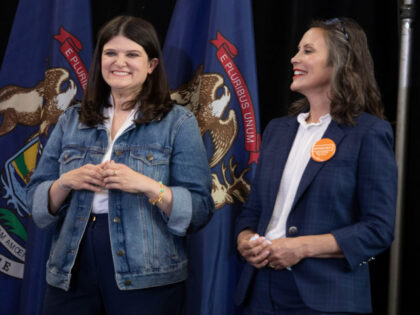
Michigan Governor Gretchen Whitmer’s last-minute endorsement of Rep. Haley Stevens is more than a routine primary nod—it’s a calculated firewall against the progressive insurgency that has already captured several state parties. By throwing her weight behind the moderate congresswoman just days before voters decide, Whitmer is signaling that the Democratic establishment still believes it can contain the “Squad-style” wing represented by Abdul El-Sayed. For gun owners, the stakes are straightforward: Stevens has an “F” rating from the NRA and has co-sponsored assault-weapons bans and magazine restrictions, while El-Sayed’s platform is even more draconian, calling for confiscatory buy-backs and the repeal of PLCAA. Whitmer’s move keeps the contest between two anti-Second Amendment candidates rather than allowing an untested far-left figure to redefine the race.
The timing also underscores how national money and messaging are shaping down-ballot contests. Stevens has already raised north of $10 million, much of it from the same Silicon Valley and Wall Street donors who bankrolled Virginia’s 2020 gun-control blitz. If she wins, expect an autumn general-election narrative that pairs Whitmer’s popularity with Stevens’ “commonsense safety” talking points—language that has repeatedly preceded expanded background checks, red-flag laws, and restrictions on so-called “ghost guns.” Michigan’s swing-state status means any Senate seat that slips into anti-2A hands could provide the deciding vote on federal legislation that bypasses the filibuster via budget reconciliation or court-packing maneuvers.
For the firearms community, the takeaway is that primary challenges are no longer fringe exercises; they are the last firewall before an even more hostile candidate reaches the general ballot. Whether Stevens or El-Sayed emerges, Michigan gun owners will face a Senate candidate who treats the Second Amendment as a negotiating chip rather than a constitutional right. The real contest, therefore, isn’t between two Democrats—it’s between an electorate that still values individual liberty and a party increasingly convinced that rural and suburban gun owners can be outvoted by urban cores.


