

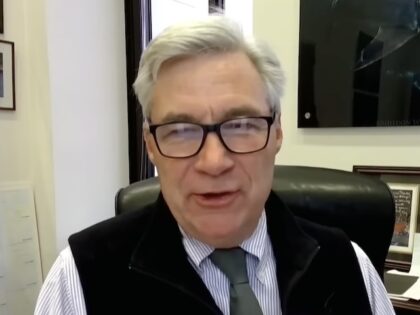
Sen. Sheldon Whitehouse’s claim that a “chain of lies” reaches the Oval Office over damage to the Lincoln Memorial Reflecting Pool is the kind of rhetorical escalation that should set off alarm bells for anyone who values the Second Amendment. The senator’s leap from a broken fountain to presidential malfeasance follows the same pattern we’ve seen for years: take an isolated incident, inflate it into a national-security crisis, and then pivot to calls for more gun control. By framing routine maintenance issues as evidence of executive-branch deceit, Whitehouse keeps the Overton window sliding leftward on firearms policy without ever having to debate the actual merits of shall-issue carry or constitutional carry expansions now moving through state legislatures.
What makes the rhetoric especially corrosive is how it crowds out real threats to public safety. While cable news obsesses over a reflecting-pool repair bill, active shooter response times, permitless carry reciprocity, and the surge in privately manufactured firearms remain the issues voters actually cite in polling. The same lawmakers who treat a cracked concrete basin like an existential threat simultaneously oppose funding for armed school resource officers and push “ghost gun” rules that would effectively nationalize the right to keep and bear arms. That disconnect is not accidental; it’s a deliberate strategy to keep the public conversation on optics rather than outcomes.
For the 2A community, the takeaway is straightforward: every time a minor federal property dispute is elevated to Oval-Office conspiracy territory, it signals that the next policy ask will be another restriction on lawful gun owners. The Lincoln Memorial kerfuffle is less about water features and more about narrative priming—laying groundwork to portray any administration skeptical of new gun controls as inherently dishonest. Gun owners who want to preserve constitutional carry gains and block magazine bans need to recognize these rhetorical feints for what they are and respond with data on defensive gun uses, clearance rates for armed citizens, and the simple fact that an unlocked gate at a national monument has nothing to do with the right to keep and bear arms.


