

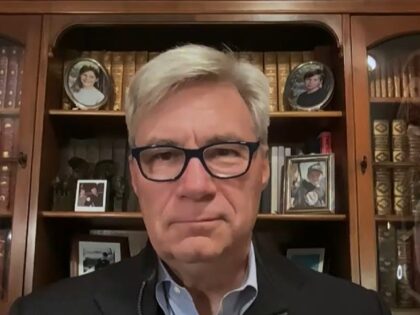
Sen. Sheldon Whitehouse’s over-the-top claim that Todd Blanche’s nomination as Attorney General would be “so disgusting” it would leave GOP senators “over a barrel” is less about Blanche’s record and more about the institutional panic that sets in whenever a non-swamp lawyer is floated for the top law-enforcement post. Blanche, a former federal prosecutor turned defense attorney who represented the President in high-stakes litigation, is exactly the kind of outsider who understands how federal agencies have been weaponized against gun owners—ATF rule-by-letter, pistol-brace bans, and the steady creep of “ghost gun” regulations that criminalize law-abiding citizens without congressional action. Whitehouse’s rhetoric is a tell: the same senators who green-lit Garland’s DOJ and its Operation Fast and Furious sequel are suddenly worried that an AG might actually enforce the law against the bureaucrats who have spent the last decade treating the Second Amendment as a nuisance rather than a right.
For the 2A community the stakes are concrete. An Attorney General sets enforcement priorities, signs off on ATF guidance letters, and decides whether to defend or abandon cases like the bump-stock and pistol-brace challenges now winding through the courts. Blanche’s private-sector experience defending clients against regulatory overreach suggests he grasps how agencies manufacture crimes through reinterpretation rather than legislation—an approach that has turned millions of braced pistols into potential felonies overnight. If confirmed, he would be positioned to reverse the Biden-era pattern of using civil-asset forfeiture and novel charging theories to target FFLs and gun owners who fall afoul of shifting rules. That possibility alone explains why Whitehouse is reaching for apocalyptic language; the real “disgust” appears to be the prospect that the administrative state’s gun-control project could finally face internal legal resistance.
The larger implication is that confirmation fights are no longer about qualifications but about whether the administrative state retains its ability to disarm citizens by regulatory fiat. Whitehouse’s barrel metaphor inadvertently captures the dynamic: Republican senators who have spent years talking tough on the Second Amendment will now have to decide whether they will actually confirm an AG willing to dismantle the very mechanisms—emergency rules, Chevron deference, and nationwide injunctions—that have let agencies bypass Congress on gun issues. If they blink, the message to the grassroots is unmistakable: the same people who claim to support the right to keep and bear arms are content to let the ATF continue legislating from 99 New York Avenue.


