

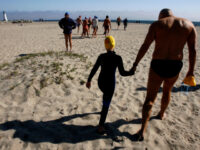
The White House’s decision to honor a teenage lifeguard for a split-second act of courage is more than a feel-good story—it’s a reminder that the instinct to protect life is hard-wired into the American character long before any government program or policy can claim credit. In the viral footage, the young man doesn’t pause to weigh risk versus reward; he simply moves. That same impulse animates millions of concealed-carry permit holders who train, carry daily, and quietly accept the responsibility of being the first line of defense when seconds count. The administration’s praise for one teenager’s heroism inadvertently underscores the principle that self-reliance and decisive action are civic virtues, not liabilities to be regulated away.
For the 2A community, the episode is a microcosm of the larger debate over who is trusted to wield force in defense of others. Critics of shall-issue carry laws often argue that only “official” responders should intervene, yet here the state itself is celebrating an untrained civilian who ran toward danger. The parallel is obvious: an armed citizen who stops an active threat is exercising the same moral reflex the White House now applauds—only with a different toolset. Lawmakers who simultaneously laud spontaneous rescues while restricting the means to make those rescues effective reveal a selective appreciation for individual initiative.
Ultimately, the story reinforces why the right to keep and bear arms is framed as an extension of the duty to defend the innocent. Training, temperament, and the legal ability to act are what separate potential victims from potential protectors. By spotlighting one teenager’s courage, the White House has, perhaps unintentionally, validated the broader argument that an armed, responsible populace is not a threat to public safety but one of its strongest pillars.


