

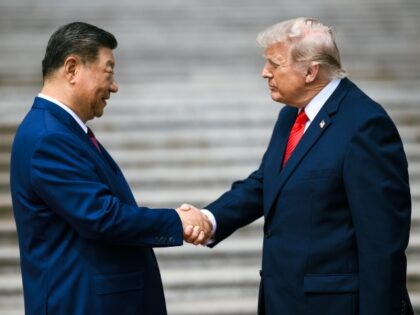
The White House’s decision to keep consequences for Chinese election meddling off the table while still welcoming Xi Jinping reveals a familiar pattern: when foreign adversaries probe American sovereignty, the current administration prefers optics over accountability. By refusing to “get ahead of conversations,” officials signal that even documented interference in our democratic process ranks below preserving a photo-op summit. For the firearms community this matters because the same hesitation that shields Beijing from repercussions also fuels domestic narratives that treat the Second Amendment as the real threat, diverting attention from actual external actors who would prefer an unarmed populace.
That posture carries direct downstream effects on policy and culture. When the executive branch downplays foreign meddling, it creates space for renewed pushes to restrict domestic gun rights under the guise of “election security” or “disinformation,” even though the evidence points overseas. Law-abiding owners who stockpile magazines or train with modern sporting rifles suddenly find themselves painted as destabilizing forces, while the administration tiptoes around the regime that actually seeks to shape our ballots. The result is a steady erosion of deterrence—both against China and against the incremental chipping away at constitutional carry and self-defense rights here at home.
Ultimately, the 2A community should read this episode as a reminder that sovereignty begins with resolve. If Washington cannot muster the will to penalize Beijing for tampering with elections, it is unlikely to defend the individual right to keep and bear arms when similar pressure arrives from international forums or domestic allies of those same regimes. Staying informed, vocal, and equipped remains the most practical hedge against both foreign influence and the slow normalization of disarmament.


