

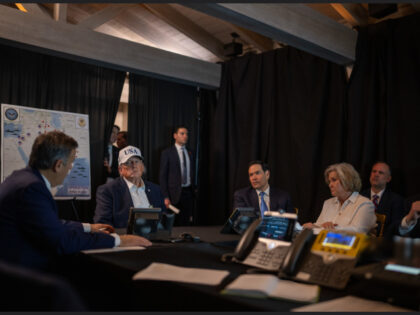
In the wake of that Situation Room huddle, the White House’s message is unmistakable: any Iran deal has to clear the same high bar President Trump has drawn since day one—no enrichment beyond civilian needs, no ballistic missiles that can reach our allies or our own shores, and verifiable, on-the-ground access that actually deters cheating. That stance isn’t just foreign-policy theater; it’s a direct rebuke to the Obama-era JCPOA that funneled pallets of cash to Tehran while letting its nuclear clock keep ticking. For the firearms community, the takeaway is simple: when the executive branch refuses to paper over existential threats with feel-good agreements, it keeps the pressure on rogue regimes instead of handing them the time and resources to arm proxies that ultimately threaten free people everywhere.
The ripple effects land squarely on the Second Amendment. A restrained Iran means fewer Iranian-supplied Kornet missiles in Hezbollah’s hands and fewer explosively formed penetrators flowing to Shia militias—threats that, in the past, have justified expansive U.S. military footprints and the very “emergency” logic gun-control advocates later try to import at home. By holding the line on redlines, the administration is also signaling that American strength, not multilateral applause lines, is the currency that keeps both our troops and our constitutional rights intact. In short, a deal that actually works is one more brick in the wall separating a world where citizens bear arms in their own defense from one where governments claim they alone can protect us from dangers they themselves helped create.


