

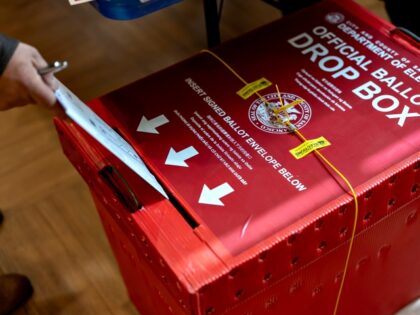
The revelation that more than a quarter-million foreign nationals were illegally registered to vote across just four states isn’t merely an administrative hiccup—it’s a flashing red light on the dashboard of American sovereignty. When non-citizens can slip into the rolls, the same porous systems that let them cast ballots also let them purchase firearms through straw purchases or falsified paperwork, turning every background-check database into a potential sieve. The 2A community has long warned that election integrity and gun rights are two sides of the same constitutional coin; if the franchise can be diluted by outsiders, the political pressure to dilute the right to keep and bear arms follows close behind.
What makes this story especially galling is the timing and the geography. These four states sit at the heart of the Electoral College map, meaning the distortion isn’t theoretical—it’s outcome-determinative. For gun owners, that translates into razor-thin margins deciding who appoints the next ATF director, who confirms federal judges, and who controls the purse strings that fund red-flag laws and magazine bans. A single extra hundred thousand ballots from ineligible voters can flip a statehouse, and a flipped statehouse can flip a U.S. Senate seat, and a flipped Senate seat can confirm a lifetime jurist hostile to the individual right affirmed in Heller and Bruen. The causal chain is short and brutal.
The takeaway for Second Amendment advocates is straightforward: treat voter-roll maintenance as a core self-defense issue. Every illegal registration is a potential vector for policy that erodes the right to arms, and every cleaned registry is one less lever for those who would prefer an unarmed, easily managed populace. The documents released by the White House aren’t just about ballots; they’re about whether the people who write the gun-control statutes will continue to be chosen by citizens alone.


