

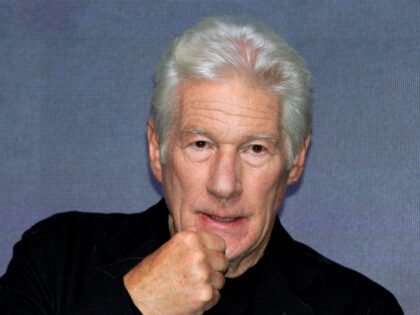
The White House’s blunt dismissal of Richard Gere’s defense of USAID lands like a long-overdue audit on a program that quietly funneled taxpayer cash into global progressive pet projects for decades. By labeling the agency a “slush fund for radical left activists,” the administration is shining a light on how foreign-aid dollars have subsidized everything from gender-ideology workshops abroad to political infrastructure that often circles back to influence U.S. policy debates. For the firearms community, the connection is direct: many of the same NGOs and international bodies that received USAID grants have pushed model gun-control language into treaties, UN resolutions, and foreign-aid conditions that later migrate home as “best practices” for domestic legislation.
What makes this moment especially relevant to Second Amendment advocates is the precedent it sets for defunding the pipeline that turns American tax dollars into anti-gun activism on multiple continents. When USAID money supports organizations that lobby foreign governments to adopt restrictive firearms laws, those same groups frequently partner with U.S.-based restrictionist nonprofits, creating a feedback loop that amplifies pressure on Congress and the courts. Cutting off that revenue stream weakens the institutional muscle behind international gun-control campaigns and reduces the ability of activist networks to claim they speak for “global consensus” when they target American gun owners.
The larger implication is that restoring fiscal accountability at USAID is part of a broader effort to stop the administrative state from exporting policies that erode constitutional rights. If the administration follows through, it will force these organizations to rely on voluntary donors rather than compulsory taxpayer support, exposing just how narrow their actual base of support may be. For pro-2A citizens, that shift matters because it removes one more lever that has historically been used to internationalize the gun-control debate and import restrictions that the American people have repeatedly rejected at the ballot box.


