

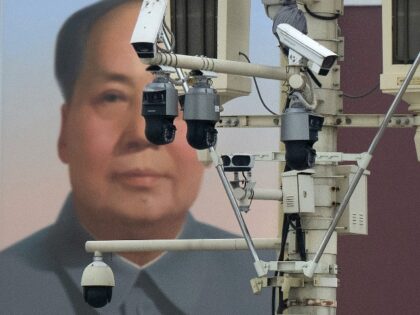
The FCC’s latest push to tighten the screws on Chinese-made telecom and surveillance gear isn’t just about keeping hackers out of our networks—it’s a direct shot across the bow at the same authoritarian supply chains that already dominate the optics, electronics, and component markets gun owners rely on every day. When Beijing-controlled firms like Huawei and Hikvision are flagged for backdoors and data exfiltration, the ripple effect hits everything from smart scopes and wireless ear-pro to the cheap red-dots and security cameras that suddenly look a lot less attractive once Uncle Sam starts yanking their certifications. For Second Amendment advocates who’ve spent years warning that dependence on foreign adversaries for critical gear is a strategic vulnerability, this move validates the long-standing argument that “Made in China” and “Made in America” aren’t just marketing slogans—they’re national-security distinctions that affect how reliably we can train, protect our homes, and maintain operational security.
What makes the FCC’s scrutiny especially relevant to the firearms community is the precedent it sets for supply-chain accountability. If regulators can bar compromised Chinese routers from critical infrastructure, the same logic can—and should—be applied to the optics, ammunition components, and electronic sighting systems that increasingly define modern defensive and competitive shooting. Law-abiding gun owners already navigate a thicket of state and federal rules; adding the hidden risk of remote kill-switches or data leaks from overseas manufacturers only compounds the problem. By forcing transparency and, ultimately, on-shoring of key technologies, the FCC is indirectly strengthening the case for a domestic small-arms ecosystem that doesn’t leave American citizens at the mercy of a regime that views private firearm ownership as a threat to its own control.
The broader implication is that cybersecurity policy and Second Amendment resilience are converging faster than most people realize. Every time a Chinese surveillance camera is pulled from a federal building or a telecom ban expands, it underscores how fragile our access to trustworthy gear can become when production is concentrated in the hands of a strategic competitor. Pro-2A voices should treat this development not as a niche regulatory footnote, but as fresh evidence that securing the right to keep and bear arms also means securing the industrial base that equips those arms—because a disarmed population is one thing, but a population whose rifles, radios, and red-dots can be silently compromised from 7,000 miles away is something far more dangerous.


