

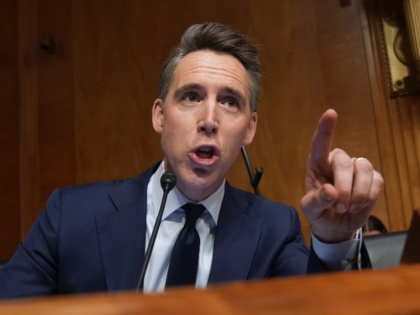
Senators Hawley and Moreno exposed the hollow core of Anthony Fauci’s Fifth-Amendment shield by reminding him—and the cameras—that a presidential pardon removes any criminal jeopardy, leaving only political theater. Their line of questioning turned the hearing into a master class in accountability theater, showing how a once-untouchable bureaucrat now hides behind procedural smoke rather than substantive answers about gain-of-function research, suppressed lab-leak evidence, and the economic carnage that followed his policy dictates. For Second Amendment advocates, the moment is a flashing warning light: the same administrative state that tried to brand lawful gun owners as domestic threats is perfectly willing to cloak its own misdeeds in secrecy once the political winds shift.
The deeper implication is institutional, not personal. When public-health czars can green-light risky research, steer narratives through friendly media, and then plead immunity when asked to explain the body count, trust in federal expertise collapses. That vacuum is precisely where gun-control activists have long tried to park their own “public-health” framing of firearms ownership—treating the Second Amendment as a behavioral contagion rather than a constitutional right. If the same agencies that once demanded mask mandates and vaccine passports are now exposed as unaccountable, their parallel campaign to pathologize gun culture loses its scientific fig leaf.
Hawley and Moreno’s exchange therefore serves as a template for future oversight: force every alphabet agency to defend its data, its funding streams, and its emergency powers in open session. The 2A community should treat this not as partisan score-settling but as a proof-of-concept that sunlight still works. The more often Congress drags reluctant witnesses into the light, the harder it becomes for regulators to quietly redefine constitutional rights as public-health hazards.


