

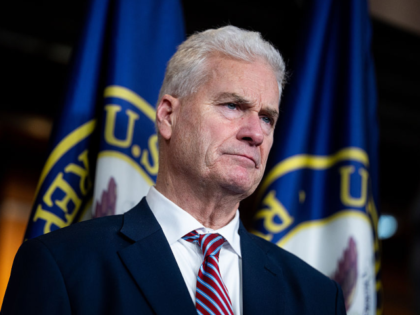
Rep. Tom Emmer’s blunt call for non-assimilating Somalis to “go the hell back” lands like a warning shot across Minnesota’s political landscape, where federal welfare programs and refugee resettlement have funneled tens of thousands of East African migrants into the state. The congressman’s remarks follow fresh allegations of massive fraud schemes—ranging from pandemic-relief scams to food-stamp trafficking—centered in Minneapolis’s large Somali enclaves, exposing how quickly imported clan loyalties and parallel societies can corrode the rule of law. For Second Amendment advocates, the story is a textbook case of why immigration policy is inseparable from the right to keep and bear arms: when assimilation fails, crime rates climb, trust in police erodes, and law-abiding citizens are left to rely on their own firearms for protection in neighborhoods that suddenly feel less American.
The deeper implication is demographic and cultural. Minnesota’s experiment with chain-migration and refugee placement has produced voting blocs that reliably back gun-control candidates while simultaneously importing attitudes hostile to individual self-defense. Emmer’s willingness to name the problem challenges the polite fiction that every newcomer automatically embraces the Bill of Rights; instead, it spotlights how sanctuary-style policies and lax vetting can import entire populations statistically less likely to support constitutional carry or shall-issue permitting. Pro-2A communities from the Iron Range to the suburbs now face the practical question of whether their electoral majorities will survive another decade of refugee-driven population shifts that tilt legislative power toward urban, anti-gun coalitions.
Ultimately, the episode underscores that border and assimilation failures are not abstract policy disputes—they directly shape the future composition of the electorate that decides whether the Second Amendment remains robust or is whittled away by imported majorities. When politicians finally acknowledge that some groups arrive pre-loaded with values incompatible with American liberty, they are also acknowledging that the right to arms may one day depend on who is allowed to become part of “We the People.”


