

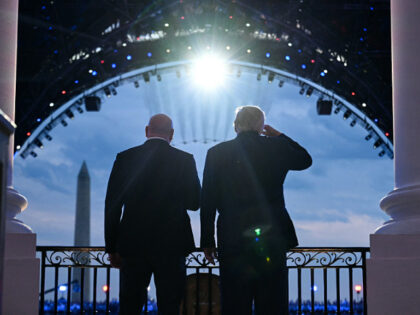
President Trump and Dana White’s joint stroll from the Oval Office to the UFC Freedom 250 stage wasn’t just good theater—it was a deliberate flex of cultural and political muscle that lands squarely in the lap of the Second Amendment community. By choosing the most iconic room in American government as their launch pad, the pair signaled that the same administration that once moved the ATF’s pistol-brace rule and blocked magazine-capacity bans is now comfortable owning the narrative that self-defense and unapologetic Americana are mainstream again. For 2A advocates who spent the last four years watching regulatory creep at the federal level, the visual of the President and the UFC’s most visible powerbroker walking out together reads like a promise that the Overton window on lawful gun ownership has shifted back toward individual rights rather than collective restriction.
The timing matters as much as the optics. With states like California and New York still pushing “sensitive places” litigation and the Ninth Circuit flirting with magazine bans, the image of Trump and White—both outspoken supporters of the right to keep and bear arms—projecting strength on fight night serves as both morale boost and messaging tool. It reminds fence-sitting voters that the same coalition defending combat sports from over-regulation is the one standing between the gun-control lobby and another round of national restrictions. In practical terms, that coalition now has clearer lanes to push reciprocity legislation, national reciprocity for carry permits, and ATF reforms that treat the Second Amendment as a fundamental right rather than a regulatory nuisance.
Longer term, the moment underscores how the 2A fight is migrating from courthouse hallways into popular culture. When the President and the head of the world’s biggest mixed-martial-arts promotion treat constitutional carry like common sense rather than a culture-war wedge, they shrink the space in which anti-gun activists can brand the issue as fringe. For grassroots groups, donors, and state-level lawmakers, the takeaway is simple: keep tying self-defense rights to mainstream entertainment and unapologetic patriotism, and the policy wins follow the optics.


