

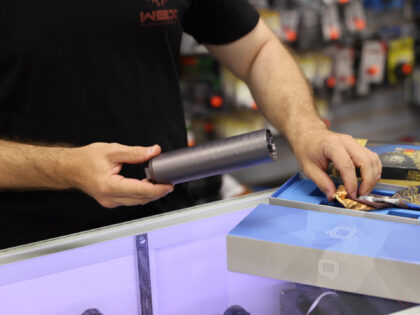
The transfer of that first unregistered suppressor marks more than a paperwork victory—it signals the Trump DOJ and ATF quietly dismantling the administrative scaffolding that has propped up the National Firearms Act since 1934. For nine decades the agency treated every suppressor as a potential felony until the proper stamp was purchased and the proper forms filed; now the same bureaucracy appears willing to let the entire registration regime atrophy rather than defend it in court or in Congress. That shift matters because the NFA’s original justification—taxing “gangster weapons” out of existence—has long since collapsed under its own weight; modern suppressors are safety devices that reduce hearing damage and neighbor complaints, not tools of organized crime. By allowing the first legal transfer without the $200 tax and the months-long wait, the administration is effectively conceding that the old regime cannot survive constitutional scrutiny once the issue is forced.
For the broader Second Amendment community the development is both validation and warning. Validation, because years of litigation, amicus briefs, and public-education campaigns have finally moved the Overton window inside the regulatory state itself. Warning, because an administrative retreat can be reversed by the next administration with nothing more than a policy memo. The real prize remains a legislative or judicial declaration that suppressors, short-barreled rifles, and other NFA items are ordinary arms entitled to presumptive constitutional protection. Until that happens, the community’s task is to treat every deregulatory inch as an opportunity to codify permanent reform—pushing the Hearing Protection Act, supporting state-level NFA-nullification statutes, and keeping the courts engaged—so that future attorneys general cannot simply re-boot the old registration machine.


