

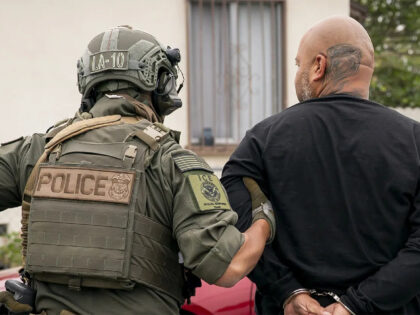
The Senate Judiciary Committee’s hearing on birthright citizenship isn’t just a constitutional debate—it’s a referendum on whether the United States still controls its own borders or has outsourced that authority to whoever happens to be standing on American soil at the moment of birth. For the 2A community, the stakes are immediate and practical: every new citizen created by an expansive reading of the Fourteenth Amendment is another voter who may one day decide whether your AR-15 stays in the safe or gets turned in at the next “buyback.” When the same political coalition pushing to reinterpret “subject to the jurisdiction thereof” also champions magazine bans and red-flag laws, the connection isn’t theoretical; it’s demographic destiny meeting due process.
What makes this hearing especially pointed is the timing. Record illegal crossings have produced a surge of U.S.-born children whose parents owe no allegiance to the Constitution they may one day amend. Those children grow into voting-age adults at roughly the same moment the administrative state is testing new theories of firearm prohibition—serialization of privately made firearms, pistol-brace rules, and universal background checks that treat the Second Amendment like a licensed privilege. If birthright citizenship remains an open border for electoral majorities, the legislative math for gun-control measures improves every election cycle, regardless of what the Bill of Rights actually says.
The deeper implication is that sovereignty and self-defense are inseparable. A nation that cannot decide who becomes a citizen cannot long protect the right of its existing citizens to keep and bear arms. The hearing therefore isn’t an academic exercise in legal history; it’s an early warning that the same constitutional text used to import new voters can be repurposed to disarm the ones already here.


