

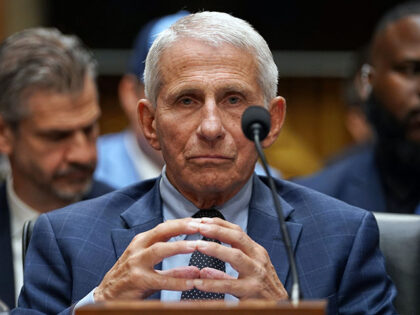
The Senate’s move to hold Dr. Anthony Fauci in contempt is more than a procedural spat—it’s a referendum on whether federal officials can be compelled to answer for the policies they impose on the public. The committee’s vote centers on Fauci’s refusal to produce documents and testimony about the origins of COVID-19 and the government’s pandemic response, a refusal that echoes the same stonewalling the 2A community has faced for years when demanding transparency on ATF rule-making, pistol-brace reclassifications, and the quiet expansion of the NFA. When an agency or official can simply ignore congressional subpoenas, every right—including the right to keep and bear arms—rests on the goodwill of unelected bureaucrats rather than on constitutional checks.
For gun owners, the stakes are immediate. The same administrative state that locked down schools, shuttered businesses, and redefined “assault weapons” through guidance letters is the apparatus that now claims sole authority to interpret the Second Amendment. If Congress cannot enforce its oversight power against a high-profile figure like Fauci, it signals that future ATF directors or DOJ officials can likewise withhold records on brace rules, suppressor regulations, or the next “ghost gun” edict. The contempt debate therefore serves as a stress test: either legislative branch authority is restored, or the administrative state continues to operate as a parallel government that writes, enforces, and adjudicates its own rules—often with the Second Amendment squarely in its crosshairs.
The outcome will also shape the 2024 electoral landscape. A successful contempt finding would hand pro-2A candidates a concrete example of federal overreach to campaign against, while a failure would reinforce the narrative that only the courts—or the next administration—can rein in agencies that treat constitutional rights as regulatory nuisances. Either way, the Senate’s handling of the Fauci matter is a preview of how seriously the legislative branch intends to defend its own prerogatives, and by extension, how much breathing room the right to keep and bear arms will enjoy in the years ahead.


