

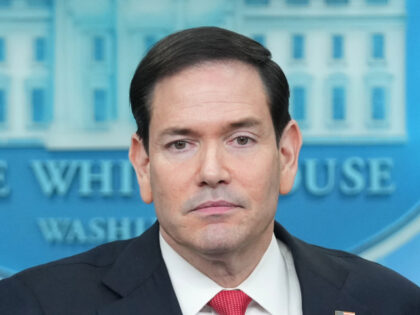
Marco Rubio’s appearance before the Senate Armed Services Committee isn’t just another confirmation hearing—it’s a signal that the incoming administration intends to treat the Second Amendment as a core element of American foreign policy rather than a domestic afterthought. Rubio’s long record of defending lawful gun owners, from opposing the U.N. Arms Trade Treaty to criticizing foreign governments that disarm their citizens while courting U.S. aid, suggests he’ll push back against any multilateral effort that could indirectly restrict American firearms ownership or export markets. For the 2A community, that means a Secretary of State who understands that sovereignty and self-defense rights travel together: if the U.S. stops treating international gun-control pacts as harmless diplomacy, foreign pressure on domestic manufacturers and importers could ease rather than intensify.
The timing matters. With global supply chains still recovering and new ATF rules on pistol braces and receivers already chilling innovation at home, a Rubio-led State Department could open regulatory off-ramps by prioritizing trade agreements that protect U.S. small arms exports and by quietly shelving Obama-era and Biden-era initiatives that equated “civilian” firearms with military surplus. Expect renewed emphasis on reciprocal export licensing with close allies and a harder line against countries that demand U.S. companies adopt overseas serialization or tracking mandates that later migrate back to American soil. In short, the hearing is less about Rubio’s résumé and more about whether the next four years will see the Second Amendment treated as an asset in great-power competition instead of a liability to be negotiated away.


