

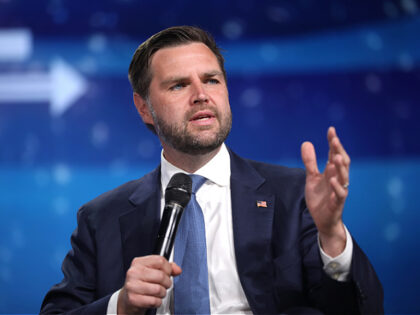
Vice President JD Vance’s appearance at Naval Air Station Oceana lands at a moment when the Biden-Harris administration’s last-minute pistol-brace rule and proposed restrictions on privately made firearms are still reverberating through the fleet. By choosing an East-Coast aviation hub that trains the Navy’s F/A-18 and F-35 pilots, Vance is signaling that the next administration intends to treat service members not as test subjects for gun-control experiments but as stakeholders whose Second Amendment rights survive their oath. The optics are deliberate: aviators who carry sidearms in survival vests and train with M-4s in the squadron armory understand that magazine bans and “assault-weapon” features do nothing to harden a carrier’s magazine spaces or protect a downed pilot behind enemy lines.
For the 2A community the speech underscores a larger strategic shift. Where previous Pentagon civilian leadership fixated on diversity metrics and climate targets, Vance’s presence reframes military policy around lethality, recruitment, and the constitutional ecosystem that sustains an all-volunteer force. Expect renewed pressure to roll back the ATF’s 2023 pistol-brace rule, revisit the treatment of suppressors under the National Firearms Act, and restore reciprocity language for concealed-carry across federal installations. More importantly, the optics give pro-Second-Amendment lawmakers fresh footage of uniformed personnel cheering a pro-carry message—an invaluable rebuttal to the narrative that only civilians care about the right to keep and bear arms.
The long-term implication is cultural as much as statutory. When the next commander-in-chief walks the flight line at Oceana and talks openly about protecting the individual right to arms, it resets the Overton window inside the services themselves. Junior officers and NCOs who might once have self-censored on gun issues now see a lane to advocate for armories that actually reflect real-world defensive needs rather than political optics. That cultural permission slip, more than any single regulation, is what keeps the pipeline of future gun-owning veterans flowing—and with it the political durability of the Second Amendment itself.


