

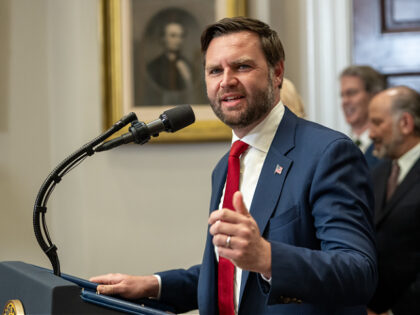
Vice President JD Vance’s roundtable with state attorneys general isn’t just another Beltway photo-op; it’s a deliberate signal that the new administration intends to treat fraud as a national-security issue rather than a bookkeeping nuisance. By bringing together the very officials who prosecute consumer scams, Medicaid rip-offs, and counterfeit-goods rings, Vance is telegraphing that federal resources will backstop state-level enforcement instead of duplicating it. For the firearms community that has spent years watching ATF “zero-tolerance” letters turn paperwork errors into felony cases, the message is unmistakable: if the same prosecutorial muscle can be aimed at genuine fraud, the Bureau’s habit of stretching definitions may finally face real push-back.
The timing matters. With the Supreme Court’s Bruen and Rahimi decisions still reshaping lower-court dockets, any reduction in regulatory gamesmanship frees resources for actual violent crime instead of ensnaring FFLs over transposed digits on a 4473. Gun owners who remember Obama-era “Operation Choke Point” tactics recognize the pattern—administrative state actors weaponizing vague rules against lawful industries. Vance’s fraud initiative could short-circuit similar end-runs by forcing agencies to prove concrete harm rather than statistical anomalies. That shift would lower compliance costs for manufacturers and retailers, keep more competition in the market, and ultimately keep prices down for the very people who rely on the Second Amendment for self-defense.
Longer term, the roundtable sets a precedent that could bleed into ATF consent decrees and future appropriations fights. If attorneys general start treating regulatory overreach itself as a species of fraud on the taxpayer, challenges to pistol-brace rules, stabilizing-brace guidance, and “engaged in the business” redefinitions gain powerful new allies. In short, what looks like a dry fraud discussion is actually a force-multiplier for the right to keep and bear arms: cleaner government processes mean fewer arbitrary obstacles between citizens and the tools they need to exercise their constitutional rights.


