

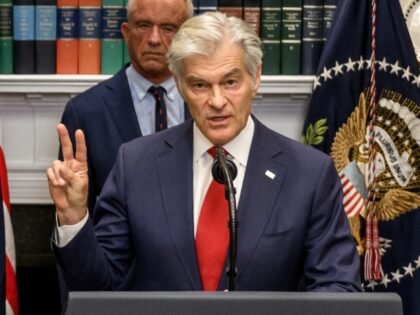
Dr. Mehmet Oz stepping up to the White House podium as CMS Administrator signals a deliberate pivot toward preventive health policy that could quietly reshape how millions of Americans access care. By emphasizing lifestyle interventions, Oz is positioning Medicare and Medicaid to reward outcomes rather than procedures, a shift that echoes the same individual-responsibility ethos the 2A community has long championed: the right to defend oneself is inseparable from the duty to maintain the physical capability to do so. When federal health dollars begin flowing toward fitness, nutrition, and personal agency instead of endless pharmaceutical pipelines, the cultural message becomes unmistakable—citizens are expected to be capable, not dependent.
That message carries direct downstream effects for gun owners. A healthier beneficiary pool reduces long-term entitlement costs, easing pressure on lawmakers to find new revenue through sin taxes, registration fees, or ammunition excises that disproportionately hit the shooting sports. At the same time, an administration willing to spotlight personal responsibility may prove more receptive to restoring rights for veterans whose medical records were previously used as administrative tripwires for firearm prohibitions. If Oz’s metrics-driven approach gains traction, expect renewed scrutiny of VA “question 21” overreach and a fresh look at restoring due-process protections that the 2A community has fought for since the Fix NICS era.
Ultimately, the briefing is less about one physician-turned-bureaucrat and more about whether Washington will treat health as a matter of capability or of control. For Second Amendment advocates, the distinction matters: a government that trusts citizens to manage their own wellness is far less likely to treat them as perpetual risks requiring surveillance, permitting schemes, or disarmament. Oz’s presence at the podium is therefore an early indicator of whether the next chapter of federal health policy will reinforce or erode the cultural foundation on which the right to keep and bear arms rests.


