

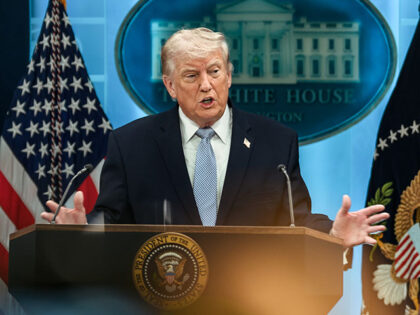
President Trump’s roundtable on American mining may look like a niche policy discussion, but it’s a direct shot across the bow of the regulatory state that has long throttled domestic mineral production. By convening stakeholders at the State Department, the administration is signaling that the United States intends to treat rare-earth elements, copper, and other strategic metals as national-security assets rather than environmental bargaining chips. For the firearms community, that matters because every modern sporting rifle, optic, and ammunition primer depends on a reliable supply of these materials; when mines are permitted and processing happens here at home, lead times shrink and foreign leverage disappears.
The timing is no accident. With China still dominating the refining of rare earths and other critical inputs, any disruption—whether from export controls or geopolitical flare-ups—could ripple straight into primer plants and specialty-steel mills that feed America’s gun makers. Trump’s emphasis on “mining” therefore doubles as a quiet jobs-and-readiness message: more domestic ore means more domestic manufacturing jobs in states already friendly to the Second Amendment, and it reduces the ability of international actors to create artificial shortages that drive up component costs for law-abiding gun owners.
Longer term, the roundtable sets the stage for a permitting overhaul that could unlock deposits previously bottled up by endless environmental reviews. If those reforms stick, expect expanded tungsten and copper output in places like Idaho and Nevada—regions where the outdoor and shooting cultures run deep. In short, the administration is connecting the dots between dirt in the ground and freedom on the firing line, and the 2A community has every reason to pay attention.


