

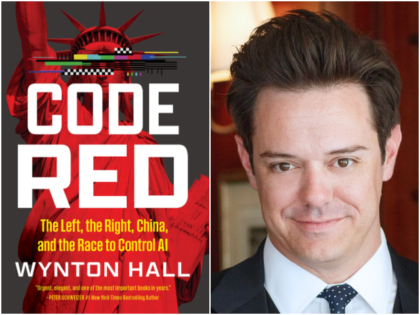
Wynton Hall’s appearance at the Young America’s Foundation conference is more than a speaking slot—it’s a signal that the next generation of conservative leaders is being handed the keys to a digital arsenal. Hall’s new book, Code Red, frames artificial intelligence not as a distant sci-fi threat but as an immediate battleground where messaging, surveillance, and narrative control will be decided. For Second Amendment advocates, that matters because the same algorithms that can micro-target voters can also flag lawful gun owners, throttle pro-2A content, or feed biased risk scores to regulators. When a bestselling author tells college students that conservatives must master these tools before their opponents do, he’s effectively recruiting the next wave of coders, data scientists, and platform-builders who will decide whether the right to keep and bear arms survives the age of predictive policing.
The timing is no accident. While legacy outlets still treat AI as a novelty, state attorneys general are already exploring “red-flag” algorithms that could sweep social-media posts into probable-cause affidavits. If those models are trained on datasets that equate gun ownership with extremism, the result won’t be open confiscation but quiet, algorithmic disqualification from due process. Hall’s message to YAF students—that they must build parallel platforms, open-source transparency tools, and counter-narratives—offers a practical roadmap. It also underscores why the 2A community can’t outsource its defense to yesterday’s media or tomorrow’s regulators; it must embed itself in the infrastructure that will write, audit, and, if necessary, litigate the code.


