

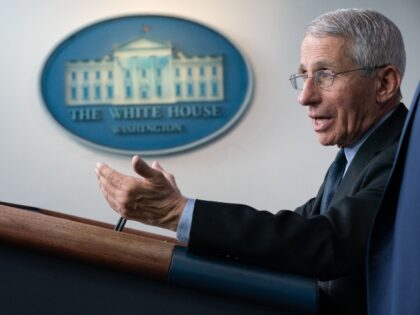
Anthony Fauci’s return to Capitol Hill this week isn’t just another Beltway ritual—it’s a reminder that the same federal agencies that spent three years redefining “essential” and “safe” are still writing the rules that decide whether your local gun store stays open or your range is declared a “non-essential gathering.” While the former NIAID chief fields questions about gain-of-function research and pandemic policy, the 2A community should be asking a sharper one: when the next public-health emergency is declared, will pistol braces, standard-capacity magazines, or even in-person training suddenly become vectors of disease? The last round of emergency powers showed how quickly OSHA, ATF, and state health departments can be fused into a single enforcement arm; nothing in Fauci’s testimony suggests the administrative state has developed an allergy to that model.
The deeper takeaway is institutional, not epidemiological. Agencies that spent 2020 treating gun stores as optional while liquor stores were “life-sustaining” proved they can unilaterally re-rank constitutional rights against bureaucratic priorities. That precedent now lives in the same filing cabinets that will house whatever new biosecurity rules emerge from this hearing. For Second Amendment advocates, the lesson is straightforward: every expansion of emergency authority—whether justified by a virus, a climate target, or an “infodemic”—carries a standing risk of being mapped onto firearms policy. The only durable safeguard is restoring hard statutory limits on what any agency can do with an emergency declaration, because the next form signed by the next Dr. Fauci may not bother to distinguish between a rifle and a respirator.


