

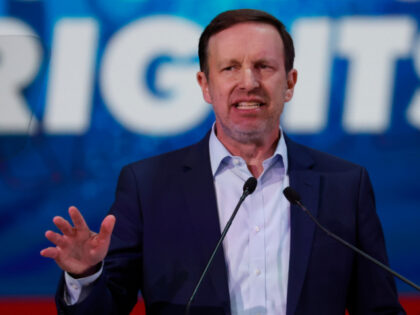
In a blistering exchange that should alarm every gun owner, DHS Secretary Markwayne Mullin dismantled Sen. Patrick Murphy’s reckless charge that the agency is “breaking the law at scale.” Mullin didn’t just defend his department—he exposed the senator’s rhetoric as the same anti-enforcement playbook that has long targeted lawful gun owners under the guise of “oversight.” By refusing to let Murphy paint routine border and immigration enforcement as systemic criminality, Mullin underscored a deeper truth: when Democrats cry “law-breaking at scale,” they’re usually laying groundwork to handcuff the very agencies tasked with keeping violent offenders and traffickers out of our communities.
For the 2A community, this isn’t abstract Beltway theater. Every time a senator like Murphy inflates enforcement statistics into a constitutional crisis, it fuels the same narrative used to justify magazine bans, universal background checks, and red-flag laws that bypass due process. Mullin’s pushback signals that the current DHS leadership isn’t interested in playing defense for policies that disarm Americans while leaving the border porous to cartel gun-runners. That stance matters because DHS data on seized firearms at the border directly undercuts the gun-control claim that “most crime guns come from U.S. dealers”—a talking point Murphy’s allies have leaned on for years.
The larger implication is clear: if Congress can manufacture a “law-breaking” crisis inside DHS to score political points, the same tactic can be—and has been—turned on ATF consent decrees, pistol-brace rules, and future attempts to regulate private transfers. Mullin’s willingness to call out the senator publicly suggests the agency may finally treat these attacks as the political weapons they are rather than neutral policy disputes. For Second Amendment supporters, that shift from bureaucratic timidity to open confrontation is worth watching, because the agencies that secure the border are the same ones whose data and enforcement posture will determine whether future gun-control efforts succeed or stall.


