

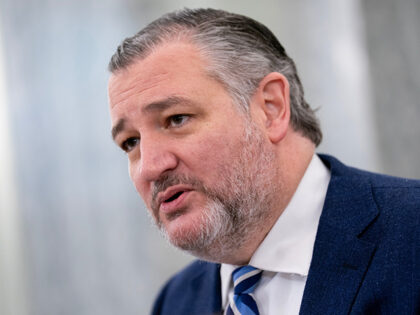
Alex Bruesewitz’s blunt takedown of Ted Cruz lands at a moment when the pro-Israel coalition is fracturing along the same fault lines that have long divided the broader conservative movement, and Second Amendment advocates should pay close attention. Cruz’s willingness to snipe at Trump from the Senate floor while the former president remains the presumptive nominee signals that some Republicans still believe they can court donors and media approval by distancing themselves from the man who delivered three Supreme Court justices and the Bruen decision. Bruesewitz’s counter—that Israel benefits more from allies who prioritize American strength over Beltway optics—mirrors the argument gun owners have made for years: real security comes from unapologetic defense of founding principles, not from hedging to appease Never-Trump gatekeepers.
For the 2A community the lesson is straightforward. Every time a high-profile Republican chooses performative criticism over policy continuity, the risk grows that the next Congress will stall permitless carry reciprocity, national reciprocity legislation, or funding for the ATF’s latest overreach. Bruesewitz’s emphasis on “greater restraint” and “American national interests” is the same language gun groups use when they warn against trading constitutional carry for vague promises of “bipartisan background-check reform.” The episode also underscores how donor pressure—whether from pro-Israel lobbies or legacy gun-control foundations—can pull ostensibly pro-Second Amendment lawmakers off message at the worst possible time.
Ultimately, the exchange is a reminder that electoral loyalty and policy fidelity are not the same thing. Trump’s judicial appointments produced the clearest expansion of individual-rights jurisprudence in a generation; any Republican who treats that record as expendable invites the same donor-class second-guessing that once kept national reciprocity bottled up in committee. Bruesewitz’s intervention shows that younger voices in the coalition are willing to call that hedging what it is, and the firearms community would do well to apply the same standard when evaluating candidates in 2024 and beyond.


