

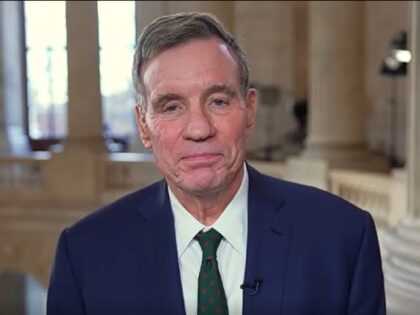
Sen. Mark Warner’s blunt admission on CNN that the U.S. could once again be stuck with an Iranian inspection regime that leaves enriched uranium in place is more than a foreign-policy footnote—it is a flashing red light for anyone who still believes the JCPOA model was ever about genuine non-proliferation. By conceding that Washington may “end up back where we were under Obama,” Warner is essentially telegraphing that the same diplomatic architecture that allowed Tehran to stockpile near-weapons-grade material while inspectors played catch-up is being dusted off. For the firearms community, the lesson is immediate: when the executive branch and its Senate allies treat verifiable disarmament as optional, the same mindset eventually migrates home, where “common-sense” restrictions on law-abiding gun owners are sold as temporary measures that somehow never sunset.
The deeper implication is strategic. An Iran that retains fissile material under a weak inspection regime accelerates proliferation timelines for both state and non-state actors, raising the long-term probability that American forces or allies will again face adversaries armed with weapons of mass destruction. That, in turn, keeps the defense-industrial base—and the civilian firearms market that draws from the same talent pool—on a permanent wartime footing. Every time a politician signals that enforcement is negotiable, the market prices in sustained demand for the tools of individual and collective self-defense, from optics and ammunition to the very platforms that trace their lineage to military contracts.
Second Amendment advocates therefore have every reason to treat Warner’s comment as a teachable moment rather than an isolated gaffe. It underscores why vigilance against unverifiable agreements must remain bipartisan and why the same skepticism applied to foreign regimes should be applied to domestic proposals that promise “temporary” restrictions on the right to keep and bear arms. When the political class admits it may again lack the leverage to remove dangerous material from hostile hands, the only rational posture for citizens is to ensure they never relinquish the means to deter threats the government itself concedes it cannot fully neutralize.


