

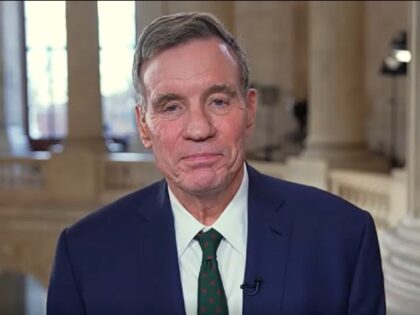
Sen. Mark Warner’s admission that the Iran MOU leaves the United States in a weaker strategic position—while still celebrating the optics of “declaring victory”—is a textbook case of political theater trumping national security. By conceding that the deal erodes American leverage yet framing it as a win, Warner reveals how foreign-policy weakness is now being repackaged as progress. For the firearms community, this matters because every erosion of U.S. deterrence abroad invites greater instability at home; when adversaries sense hesitation, they test boundaries, and the resulting regional chaos often fuels the very transnational threats that eventually circle back to American streets and borders.
The deeper implication is that a diminished American posture accelerates the same cycle of global disorder that historically drives demand for personal protection. When sanctions relief and diplomatic concessions embolden regimes like Iran, proxy militias and terror networks gain breathing room, raising the stakes for energy security, supply chains, and ultimately the rule of law that underpins constitutional rights. Law-abiding gun owners understand this linkage instinctively: strong borders and credible deterrence abroad reduce the pressure for ever-expanding domestic surveillance and gun-control measures sold as responses to imported violence.
In short, Warner’s candid weakness-is-strength rhetoric should serve as a reminder that 2A advocates cannot afford to treat foreign policy as someone else’s problem. Every agreement that trades real leverage for photo-ops chips away at the stable environment in which individual liberty, including the right to keep and bear arms, can flourish.


