

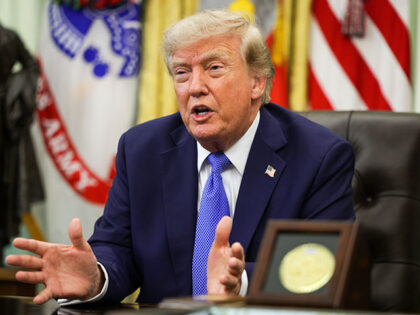
President Trump’s prediction that the war with Iran will end “pretty soon” is more than a headline—it’s a reminder that energy choke-points like the Strait of Hormuz can turn into flashpoints overnight, and when they do, the ripple effects reach every gun shop and reloading bench in America. With Tehran reportedly unable to sustain prolonged conflict, markets are already pricing in a quicker reopening of the waterway, which would ease upward pressure on oil prices and, by extension, on the cost of polymer, primers, and propellants that are still climbing after years of supply-chain shocks. For Second Amendment supporters, that translates into steadier availability of range ammo and components, fewer panic-buying spikes, and a little breathing room for manufacturers who have spent the last half-decade navigating both geopolitical uncertainty and domestic regulatory whiplash.
At the same time, the president’s personal involvement in back-channel talks underscores a broader truth: peace through strength isn’t just a slogan—it’s a supply-and-demand equation. When deterrence works, defense budgets don’t skyrocket overnight, and the civilian firearms market isn’t forced to compete with sudden surges in government orders for powder and projectiles. That stability matters to the competitive shooter restocking .223, to the new gun owner who finally found a case of 9 mm at pre-2020 prices, and to the small manufacturer trying to forecast production runs without guessing when the next Strait closure might hit. In short, a quicker diplomatic off-ramp in the Gulf isn’t just a foreign-policy win; it’s a quiet but tangible victory for the ecosystem that keeps American gun owners stocked, trained, and ready.


