

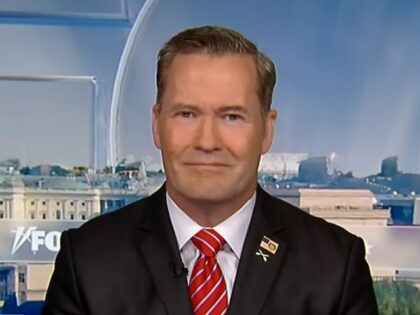
In a move that has foreign policy analysts scratching their heads, U.S. Ambassador to the U.N. Michael Waltz admitted on Fox News that the Biden administration deliberately unfroze Iranian assets simply “to keep Iran at the table.” The phrasing is telling: rather than securing verifiable concessions or verifiable non-proliferation guarantees, Washington appears willing to hand Tehran liquidity in exchange for continued photo-ops and vague diplomatic theater. For anyone tracking how sanctions relief has historically funneled cash into Iran’s ballistic-missile and proxy-war programs, the admission lands less like savvy statecraft and more like an expensive subscription to keep a hostile regime on speed-dial.
The 2A community has every reason to pay attention. When the same administration that lectures Americans about “assault weapons” simultaneously green-lights billions that can underwrite Iranian drones, rockets, and militias, the disconnect is impossible to ignore. Those weapons don’t stay in the Middle East; they migrate to Hezbollah, Hamas, and the Houthis, all of whom have openly threatened U.S. personnel and partners. A well-armed citizenry at home is cold comfort if U.S. policy abroad keeps subsidizing the arsenals of America’s enemies. The pattern is familiar: domestic gun-control rhetoric paired with foreign-policy choices that strengthen the very regimes most eager to see American influence diminished.
Ultimately, the episode underscores a broader truth—diplomacy without leverage is just expensive conversation. By treating sanctions as bargaining chips rather than tools of containment, the administration risks repeating the errors of past Iran deals that left the regime richer, bolder, and closer to nuclear breakout. For Second Amendment advocates, the lesson is straightforward: vigilance cannot stop at the water’s edge. Policies that empower adversaries abroad inevitably circle back to pressure campaigns at home, whether in the form of renewed calls for “common-sense” restrictions or the broader erosion of deterrence that makes those restrictions seem necessary.


