

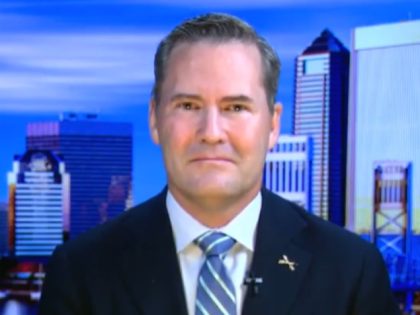
In the latest round of nuclear talks, U.S. Ambassador to the U.N. Michael Waltz admitted on Fox News that the clause guaranteeing Iran will spend its newly unfrozen billions on American farm goods is still “being negotiated.” That single admission is a flashing red light for anyone who cares about national security and the rule of law: billions in sanctions relief are being handed over before the ink is dry on the very promises meant to keep the money from fueling Tehran’s terror machine. For Second Amendment supporters, the parallel is obvious—when the administrative state can conjure billions out of thin air and ship them to a regime that chants “Death to America,” the same machinery can just as easily decide your lawfully purchased firearms or ammunition are suddenly “negotiable” too.
The deeper problem is the precedent this sets for executive-branch improvisation. If the administration can green-light tens of billions to Iran while the fine print is still being scribbled, it can just as easily reinterpret statutes, executive orders, or ATF rules to restrict domestic gun owners without new legislation. The same officials who claim they lack the power to secure the border or enforce existing immigration law suddenly discover vast reservoirs of unilateral authority when it comes to rewarding hostile regimes. That selective view of executive power should alarm every gun owner who remembers how quickly “temporary” rules become permanent restrictions.
Ultimately, the episode underscores why the 2A community must stay laser-focused on who controls the purse strings and the regulatory pen. When billions can be moved on a handshake and a press release, the only reliable safeguard is an armed, informed, and politically engaged citizenry that refuses to outsource its security—whether from foreign adversaries or from domestic bureaucrats—to anyone else.


