

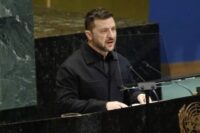
Zelensky’s sudden invitation for Putin to sit down face-to-face is less a genuine olive branch than a calculated political maneuver designed to shift blame for the war’s continuation onto Moscow while buying Kyiv breathing room to regroup. By framing the offer as an open door, Zelensky keeps Western weapons pipelines open and maintains the moral high ground in global media, yet the Kremlin’s predictable rejection lets him portray Russia as the sole obstacle to peace. For the firearms community this matters because every extra month of stalemate translates into sustained demand for small arms, optics, and ammunition on both sides, keeping factories on overtime and prices elevated even as domestic U.S. supply chains struggle to keep pace.
The deeper implication is that negotiated settlements rarely end conflicts cleanly when one side believes time and Western resupply are on its side; instead, the fighting drags on until one combatant’s logistics or political will collapses. That reality reinforces why the Second Amendment remains the ultimate backstop: when governments treat peace as a talking point rather than a strategic necessity, citizens who can lawfully keep and bear arms retain the only credible deterrent against both foreign aggression and domestic overreach. In short, Zelensky’s gambit may score points in Brussels and Washington, but it also underscores how fragile cease-fires can be and why an armed populace is never optional.


