

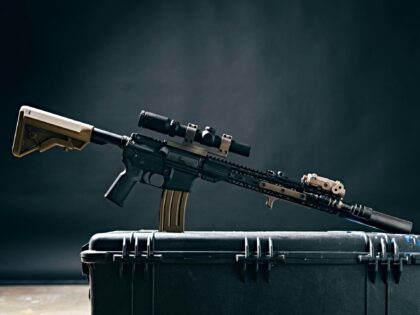
Virginia’s “assault weapons” ban is running headlong into the hard reality that laws without willing enforcers are little more than expensive theater. As more commonwealth’s attorneys publicly refuse to prosecute cases under the measure, the statute’s practical reach shrinks with every new announcement. These prosecutors are not simply grandstanding; they are acknowledging that the ban’s vague definitions, its reliance on cosmetic features, and its collision with long-standing Second Amendment precedent make successful convictions both difficult and politically costly in many jurisdictions.
For the 2A community the development is more than symbolic. It underscores a growing recognition that enforcement is the weak link in gun-control strategies that bypass the legislative process through regulatory sleight-of-hand. When local officials decline to allocate scarce resources to magazine-feature cases while violent crime remains a pressing concern, they are effectively performing a cost-benefit analysis that gun owners have long argued should guide policy. The trend also signals that sustained grassroots pressure—letters, recalls, and electoral accountability—can blunt even well-funded state-level restrictions before they ever reach the courtroom.
Nationally, the Virginia example offers a template rather than an anomaly. Other states watching their own “assault weapon” proposals will now have to weigh not only constitutional challenges but also the very real possibility that sheriffs and prosecutors will treat the new rules as optional. That calculation changes the political math for legislators who prefer to posture rather than prosecute, and it keeps the focus where it belongs: on the constitutional floor beneath which no state may sink, regardless of how many prosecutors choose to look the other way.


