

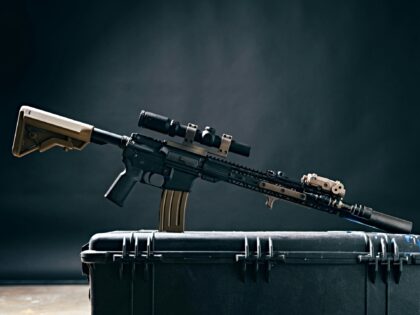
Virginia’s decision to hand enforcement of its coming “assault weapons” ban to ten-plus elected Commonwealth’s Attorneys has already produced the first, and perhaps most decisive, crack in the law before it even takes effect. By publicly refusing to prosecute otherwise-lawful owners who keep their rifles after July 1, 2026, these prosecutors are exercising a discretion older than the republic itself: the recognition that not every statute deserves the full weight of the state. Their stance transforms what Richmond imagined as a sweeping, uniform prohibition into a patchwork of sanctuary jurisdictions where Virginians can continue to exercise their enumerated rights without fear of local felony charges.
That patchwork matters because it exposes the practical limits of gun-control legislation that tries to criminalize the mere possession of arms millions of citizens already own. When line prosecutors—many of them Democrats elected in deep-blue districts—calculate that the political cost of jailing neighbors over a rifle outweighs any symbolic victory, the statute’s deterrent power collapses. The ripple effect is immediate: neighboring states see that enforcement is optional, manufacturers gain breathing room to keep selling standard-capacity magazines and modern sporting rifles inside Virginia’s borders, and grassroots groups now have a ready-made list of officials willing to nullify overreach at the ground level.
For the broader Second Amendment community the episode is both warning and blueprint. It warns that future restrictions will be written with deliberately vague language and staggered effective dates precisely to blunt legal challenges, yet it also demonstrates that sustained political organizing at the county level can starve those laws of willing enforcers. If ten prosecutors can blunt one statute, fifty can blunt a national registration scheme or magazine ban; the limiting factor is no longer the text of the law but the willingness of citizens to elect—and then publicly back—officials who treat the right to keep and bear arms as non-negotiable.


