

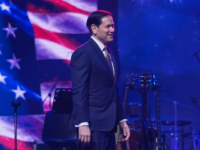
In a scene straight out of political theater, the Village People belted out “Happy Birthday” to Senator Marco Rubio during a U.S. congressional delegation stop in India—an image that instantly went viral for its sheer absurdity. Rubio, long a reliable vote for Second Amendment protections on the Hill, found himself serenaded by the same disco icons whose “Macho Man” anthem has been co-opted by gun-culture memes for years. The optics were equal parts camp and calculated: a pro-2A lawmaker receiving a tongue-in-cheek tribute from entertainers whose exaggerated masculinity once mocked the very archetype many gun owners proudly inhabit.
For the firearms community, the moment underscores how cultural symbols once dismissed as kitsch can be repurposed as soft-power assets. Rubio’s presence in India signals continued bipartisan interest in expanding defense and trade ties with a nation whose civilian firearms market is still heavily restricted; pairing that outreach with a lighthearted musical cameo humanizes the senator to younger voters who might otherwise tune out dry policy debates on magazine capacity or suppressor reform. At the same time, the Village People’s cameo reminds pro-2A advocates that optics matter—every viral clip either reinforces or undercuts the narrative that gun owners are joyless ideologues rather than citizens comfortable enough in their rights to laugh at themselves.
Ultimately, the birthday serenade is less about disco nostalgia and more about narrative framing ahead of future legislative fights. If Rubio can leverage pop-culture goodwill without diluting his voting record, the 2A community gains a messenger who reaches demographics traditionally hostile to gun rights. Conversely, if the clip is spun as proof that conservatives are “out of touch,” it hands opponents another cultural wedge; the challenge for advocates is to seize the humor, not surrender the frame.


