

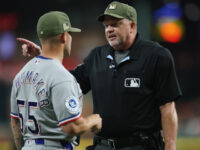
In a moment that captured the enduring power of shared national rituals, Texas Rangers manager Bruce Bochy and home-plate umpire Dan Bellino halted their fiery exchange the instant “God Bless America” began to play during the seventh-inning stretch. The abrupt ceasefire—two men who moments earlier had been nose-to-nose over a disputed strike zone—stood at respectful attention, caps over hearts, as the stadium joined in song. What might have been just another routine baseball brouhaha became a vivid reminder that certain traditions still command universal deference, even amid the most heated competition.
For Second Amendment advocates, the scene is more than a feel-good anecdote; it underscores the cultural soil in which the right to keep and bear arms grows. The same Constitution that protects free expression and due process also enshrines an individual right to self-defense, and both are sustained by a populace willing to pause partisan combat for something larger than itself. When citizens—whether managers, umpires, or everyday fans—model restraint and mutual respect, they reinforce the civic trust necessary for a rights-based society. In an era when sports venues themselves have become political battlegrounds over everything from player protests to security protocols, the instinctive ceasefire serves as quiet proof that reverence for foundational principles can still override momentary grievances.
The broader implication is that cultural cohesion and constitutional fidelity are mutually reinforcing. A community comfortable honoring “God Bless America” is more likely to appreciate the philosophical roots of the Bill of Rights, including the Second Amendment’s assurance that ultimate sovereignty resides with a free people rather than an all-powerful state. Bochy and Bellino’s brief truce, broadcast to millions, quietly illustrates how everyday acts of unity help preserve the very liberties that allow such spirited disagreements—and the freedoms to defend them—in the first place.


