

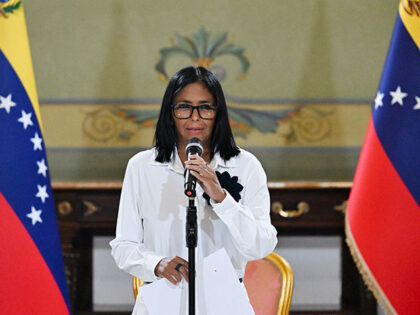
Venezuela’s announcement that the last democratically elected parliament will sit down with Maduro’s socialist regime in August to “restore electoral conditions” is the latest chapter in a long-running story of how quickly a disarmed population can lose every other right once the government decides ballots no longer matter. The talks are being sold as a path back to fair elections, yet they arrive after years of stolen votes, exiled opposition leaders, and a military that answers only to the regime—conditions that make any “agreement” look more like managed theater than genuine reform. For the 2A community the lesson is immediate: when a nation’s citizens cannot keep and bear arms, the ruling class can rewrite the rules of power at will, turning what should be a negotiation between equals into a conversation between captor and captive.
The Venezuelan people were stripped of effective self-defense long before the economic collapse and mass exodus; private firearms ownership was effectively banned, leaving only the state’s guns in play. That monopoly allowed the regime to crush protests, seize property, and rig every subsequent election without fear of meaningful pushback. Contrast that with the American Second Amendment’s explicit recognition that an armed citizenry is the ultimate check on centralized power, and the stakes of preserving it become crystal clear—Venezuela is not an outlier but a warning of what happens when that check is removed.
For American gun owners watching these talks, the takeaway is straightforward: never trade the ability to defend liberty for promises of future fairness from the very people who disarmed you. The regime’s sudden willingness to negotiate is less a sign of strength than an admission that sustained pressure—both internal and international—has made outright dictatorship costly. The 2A community’s job is to ensure that pressure never has to be applied here because the right to keep and bear arms remains non-negotiable.


