

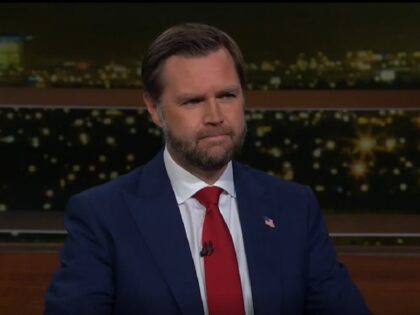
Vice President JD Vance’s blunt assessment that Iran’s nuclear program is already “functionally destroyed” lands like a strategic thunderclap, especially when paired with the administration’s willingness to keep squeezing through talks. The real story isn’t just about centrifuges and enrichment levels; it’s about how a credible American deterrent—backed by a strong defense industrial base—has forced Tehran into a corner where even partial rollback looks like a win. For the firearms community, this is a reminder that the same political will required to keep advanced munitions flowing to Israel and to rebuild domestic stockpiles also protects the right to keep and bear arms here at home; when the executive branch projects strength abroad, it undercuts the domestic narrative that only government should hold decisive force.
The deeper implication is that negotiated pauses in proliferation are temporary at best. Iran’s history of cheating on every prior agreement shows that any “set it back further” language is really a race against time until the next regime decides enrichment is again worth the risk. That reality reinforces why millions of armed citizens view the Second Amendment as the ultimate backstop: if rogue states can sprint toward nukes the moment inspectors leave, free people need an equally distributed capacity for self-defense that no treaty can confiscate. Vance’s comments also highlight how supply-chain resilience matters—precision munitions, guidance kits, and the small-arms ecosystem that supports them all draw from the same skilled workforce and legal framework that sustains civilian manufacturing of modern firearms.
Ultimately, the Vance interview reframes arms-control theater as a lagging indicator of American hard power rather than its substitute. When the vice president can credibly say the program is already wrecked, it signals that sanctions, targeted strikes, and alliance pressure worked faster than another round of paper promises. For 2A advocates, the lesson is straightforward: the same constitutional architecture that prevents a president from unilaterally disarming citizens also enables the executive to rearm strategically when threats metastasize. Strength projected outward and liberty preserved inward are two sides of the same coin, and both depend on rejecting the illusion that dictators will behave once they sign the next non-proliferation pledge.


