

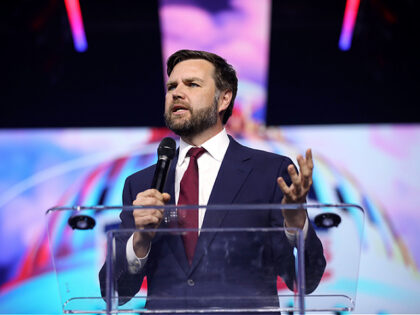
Vice President JD Vance’s Monday remarks on NBC News mark a sharp departure from the old playbook of American taxpayers footing the bill for Middle East reconstruction. By insisting that any Iran rebuilding fund would come from Gulf states—and that the conditions attached to those dollars would be decided in Riyadh, Abu Dhabi, and Doha rather than Washington—Vance is signaling that U.S. leverage will now be exercised through diplomacy and energy markets rather than blank-check foreign aid. For the firearms community this matters because every dollar Washington does not ship overseas is a dollar that does not have to be clawed back through higher taxes, inflation, or new regulatory schemes aimed at domestic gun owners.
The deeper implication is strategic: if Gulf monarchies hold the purse strings, Iran’s path to cash will run through verifiable steps on nuclear enrichment, ballistic-missile ranges, and proxy militias—issues that directly affect the regional demand for small arms and precision rifles. American manufacturers already sell legal sporting and defensive firearms to many of those same Gulf partners; a stable, incentive-driven reconstruction deal could expand those commercial channels while keeping U.S. troops and treasure at home. Conversely, if the arrangement collapses, the resulting instability tends to drive up global oil prices, feeding the same fiscal pressures that historically correlate with fresh attempts at gun control.
In short, Vance’s stance keeps American second-amendment rights one step removed from foreign-policy spending sprees. By forcing regional actors to bankroll their own neighborhood cleanup, the administration reduces the federal appetite for revenue grabs that too often target the very tools citizens rely on for self-defense. That is the quiet but tangible 2A dividend embedded in a policy that finally tells the Gulf states: if you want the neighborhood fixed, write the check yourselves.


