

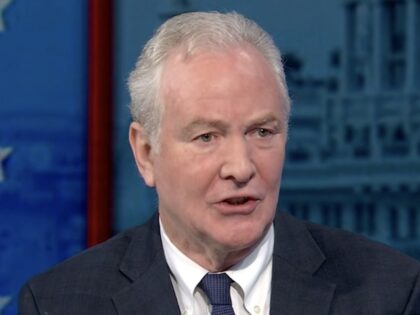
Sen. Chris Van Hollen’s Sunday declaration that Democrats are “absolutely united” in viewing President Trump as a “threat to democracy” is the latest chapter in a narrative that has become a staple of the left’s messaging since 2016. The Maryland senator’s remarks on Meet the Press were framed as a unifying call, but they also serve as a reminder that the Democratic Party’s political strategy hinges on portraying its opponents as existential dangers rather than policy adversaries. For the firearms community, this rhetoric is more than partisan theater—it is a direct signal that the same coalition that has spent the last decade pushing magazine bans, red-flag laws, and universal background checks sees the current administration as the final obstacle to those goals.
The timing is telling. With midterm and presidential cycles looming, Van Hollen’s comments are designed to rally the base around the idea that any Republican victory is not merely a policy setback but a subversion of democratic norms. That framing allows gun-control advocates to justify extraordinary measures—court packing, agency rulemaking, or even bypassing the Senate filibuster—under the banner of “protecting democracy.” The 2A community has seen this playbook before: after the 2022 midterms, several Democratic-led states fast-tracked assault-weapon restrictions and permitting overhauls by declaring gun violence a “public-health emergency,” a move that bypassed normal legislative debate. If the “threat to democracy” label sticks, expect similar emergency-style tactics aimed squarely at the right to keep and bear arms.
What matters most to gun owners is not the senator’s rhetoric but the policy pipeline it enables. Every time the Democratic leadership elevates the “democracy in danger” narrative, it lowers the political cost of incremental infringements that would otherwise face stiff resistance. Whether it is the ATF’s pistol-brace rule, proposed serialization requirements for homemade firearms, or the quiet expansion of NICS to cover private transfers, the underlying justification is the same: extraordinary times demand extraordinary measures. The firearms community’s task is to recognize that the language of existential threat is not abstract political theater—it is the predicate for the next round of restrictions, and it will be deployed the moment Democrats regain unified control of Congress and the White House.


