

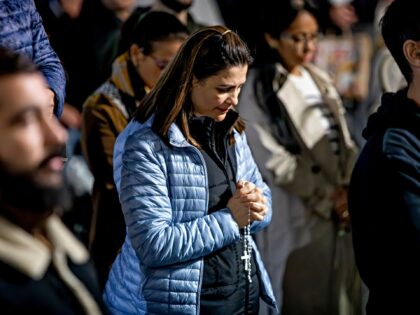
In the quiet Andalusian town of Albanchez de Mágina, a handful of Socialist councilors have decided that centuries-old Christian feast days are now optional decorations rather than the heartbeat of local identity. By stripping the annual celebrations of their explicit ties to the town’s patron saint, the council has managed to turn a calendar dispute into a referendum on whether Spain’s historic faith still has a seat at the public table. For American gun owners watching from across the Atlantic, the episode is a textbook reminder that cultural disarmament often precedes the legal kind: once a people are told their traditions are suspect, it becomes far easier to tell them their rifles are suspect too.
The move is less about administrative tidiness than about signaling who owns the public square. Spanish leftists have spent the last decade reframing Catholic feast days as divisive relics, while quietly elevating secular or multicultural substitutes. The pattern is familiar to Second Amendment advocates who have watched coastal American cities rename Columbus Day, yank religious symbols from seals, and then pivot to “common-sense” gun restrictions once the cultural battlefield is cleared. In both cases the argument is the same: your heritage is now a problem that enlightened administrators must solve.
What Albanchez illustrates is the speed with which symbolic disarmament can travel from town hall to town square. Spanish conservatives are already warning that if local saints can be sidelined by bureaucratic memo, the next step may be restrictions on the private ownership of firearms that many rural Spaniards still rely on for sport and sustenance. U.S. gun owners should take note: the same ideological current that treats Christian holidays as problematic is the current that treats the right to keep and bear arms as an embarrassing anachronism. When a culture loses the confidence to defend its holidays, it rarely finds the spine to defend its rifles.


