

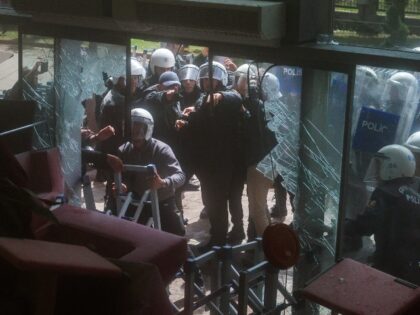
Turkey’s oldest opposition party is now a battlefield, and the weapons aren’t metaphorical. When a court can simply erase the elected leader of the Republican People’s Party and police move in to enforce the decree, the CHP’s rank-and-file are learning the hard way that paper rights mean nothing without the means to defend them. The violent scuffles outside party headquarters in Ankara weren’t about policy—they were about who gets to decide who leads, and the answer came from a bench rather than the ballot box. For Americans who still believe the Second Amendment is an antique curiosity, this is a live demonstration of why an armed populace remains the final check on institutional capture.
The deeper danger isn’t just one party’s internal drama; it’s the precedent that any faction controlling the judiciary can decapitate its rivals overnight. Turkey’s secular opposition now faces the same dilemma that confronted America’s founders: when the machinery of state is turned against you, appeals to “due process” ring hollow if you lack the physical capacity to resist. Gun-control advocates in the U.S. who dismiss private firearms as unnecessary against “modern government” should watch how quickly Ankara’s streets filled with officers once the court spoke. The CHP’s supporters discovered that without leverage beyond the voting booth, their political survival depends on whoever holds the gavel and the badge.
For the 2A community the lesson is blunt. Every erosion of judicial independence abroad is a warning flare for what happens when citizens outsource their security to institutions that can be captured. Turkey’s turmoil shows that rights on paper are only as durable as the people willing to keep and bear the arms that make those rights non-negotiable. If Americans ever face a similar judicial coup, the difference between resistance and submission may come down to whether the Second Amendment is treated as a living safeguard or a museum piece.


