

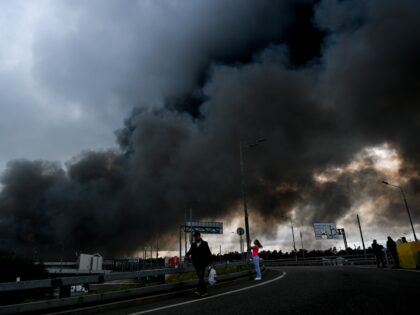
Ukrainian drones have once again lit up the Ufa refinery, proving that precision-guided munitions—many of them built around small-arms-derived electronics and commercial drone tech—can shut down a strategic petroleum node without a single boot on the ground. The second strike in seven days isn’t just another headline; it’s a live demonstration that cheap, man-portable ISR and loitering munitions can impose costs once reserved for billion-dollar air forces. For the 2A community, the lesson is immediate: the same open-source flight controllers, FPV cameras, and modular chassis that hobbyists and home-defense shooters tinker with every weekend are now reshaping battlefields, underscoring why an armed, technically literate populace remains the ultimate deterrent against centralized power.
Beyond the tactical scoreboard, the attack highlights how sanctions and export controls have forced both sides to improvise with civilian-grade components, from 3-D-printed airframes to repurposed optics originally designed for sporting rifles. That improvisation loop accelerates when citizens—not just state arsenals—can legally own, modify, and train with the tools of modern small arms and drones. In the U.S., any attempt to further restrict those same components under the guise of “public safety” would hand a decisive advantage to regimes that already treat their populations as subjects rather than stakeholders. The Ufa blaze is therefore more than a Ukrainian success; it’s a reminder that the right to keep and bear arms, paired with an unfettered right to tinker, is the original asymmetric edge that no refinery—or regime—can fully extinguish.


