

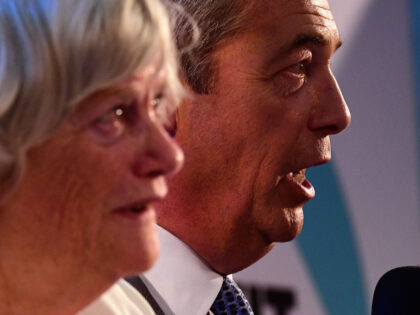
The UK government’s decision to treat Reform UK lawmakers as second-class citizens when it comes to personal protection is a textbook case of political weaponization of security. Robert Jenrick’s blunt assessment—that ministers are “blasé” about the safety of MPs whose views fall outside the approved consensus—lands with extra force after the murder of former Conservative MP Ann Widdecombe’s associate. When the state effectively signals that dissenting voices can be left more exposed, it isn’t just a Westminster turf war; it’s a live demonstration of how quickly “public safety” rhetoric can be turned into selective disarmament and selective vulnerability.
For Americans who still enjoy the Second Amendment’s firewall between citizen and state, the lesson is immediate and sobering. The same political class that lectures about “commonsense gun control” is perfectly willing to withhold armed protection from elected officials it dislikes, then shrug when the predictable result follows. That dynamic doesn’t stay confined to one country; it travels through the same networks of NGOs, media, and donor money that push parallel policies here. Every time a U.S. city quietly reduces police response times in certain neighborhoods or floats “equity-based” permitting that favors one political tribe, the British example shows where the logic ends: rights become privileges doled out by whoever holds the clipboard.
The deeper implication is that self-reliance isn’t a slogan—it’s the only reliable backstop once government decides your politics make you expendable. UK reformers are now learning what millions of American gun owners have long understood: the right to keep and bear arms isn’t about hunting or sport; it’s the last line of defense when the people who control the security apparatus start playing favorites. The Widdecombe killing didn’t happen in a vacuum; it happened in a country that has spent decades telling its citizens they have no right to effective self-defense. That experiment’s body count keeps rising, and the political class still refuses to connect the dots.


