

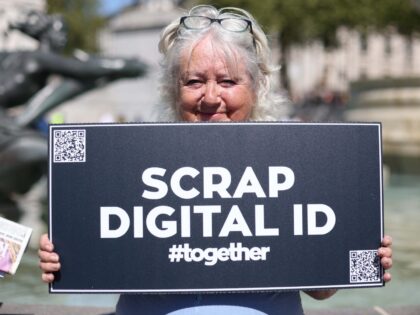
The British government’s abrupt retreat from a nationwide digital ID scheme is more than a policy U-turn—it’s a textbook demonstration of how quickly centralized identity systems can be rejected when citizens recognize the permanent power they hand to the state. Incoming Prime Minister Andy Burnham’s office cited “steep public backlash,” but the real story is that voters saw the proposal for what it was: a single, irrevocable key that could one day unlock every database, license, and financial record. Once that key exists, the temptation to expand its use—from welfare checks to firearm ownership verification—becomes almost irresistible for any future administration.
For the 2A community, the lesson is immediate and practical. A digital ID tied to government servers would have given authorities an always-on lever to confirm or deny the “may-issue” or “shall-issue” status of every certificate holder without ever leaving their desks. In the U.S., similar proposals surface regularly under the banner of “universal background checks” or “red-flag integration,” each one inching closer to a de-facto licensing database that could be queried in real time. The UK reversal proves that public vigilance still works; it also shows why American gun owners must treat every new identity or credentialing scheme as a potential future choke-point on the right to keep and bear arms.
The episode should stiffen resolve on this side of the Atlantic. While the British public forced a retreat, the infrastructure for digital control remains attractive to bureaucrats everywhere. Pro-2A advocates would do well to treat any push for national digital credentials—whether framed as convenience, security, or public health—as the opening move in a longer campaign to centralize authority over lawful firearm ownership. The UK just reminded us that the first, and sometimes only, effective defense is organized, vocal resistance before the system is built.


