

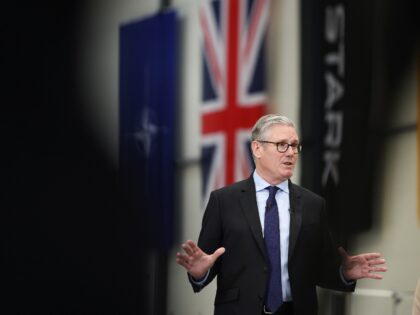
Britain’s seizure of the sanctioned tanker is more than a maritime enforcement story—it’s a live demonstration of how sanctions regimes actually work when governments decide to get serious. The vessel, allegedly part of Russia’s “shadow fleet” of aging, flag-hopping tankers used to evade price caps and insurance rules, was boarded after intelligence linked it to illicit crude shipments funding Moscow’s war machine. Starmer’s announcement signals that London is willing to treat these ships not as neutral commercial traffic but as extensions of a sanctioned state’s logistics network, a move that tightens the noose around Russia’s ability to monetize its energy exports.
For the 2A community, the episode is a pointed reminder that governments already possess—and are refining—tools to interdict, seize, and financially isolate assets they deem contrary to national security or foreign policy. The same legal architecture used to board and detain this tanker can be repurposed against domestic targets when political winds shift; history shows that once expansive enforcement precedents are set abroad, they rarely stay neatly contained to foreign actors. Firearms owners who have watched ATF re-interpretations, pistol-brace rules, and “ghost gun” guidance know how quickly regulatory language can migrate from “only for criminals” to “applies to everyone.”
The deeper implication is that supply-chain pressure and asset forfeiture are becoming preferred instruments of statecraft precisely because they avoid the political cost of kinetic conflict. If Western capitals can coordinate to choke off an entire shadow fleet with paperwork, boarding parties, and insurance blacklists, the same coalition could apply analogous pressure to domestic industries or individual owners under the banner of public safety or international obligation. The tanker’s detention is therefore less about one ship and more about watching the machinery of control being tested and calibrated in real time—machinery that 2A advocates have every reason to monitor closely.


