

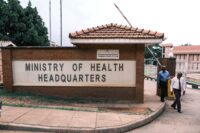
Uganda’s fresh Ebola cluster—now at seven confirmed cases—reminds us that biological threats don’t respect borders or wait for slow-moving bureaucracies. While the World Health Organization scrambles to trace contacts and the CDC issues the usual travel notices, the real lesson for Americans is that our own public-health apparatus is only as reliable as the political class allows it to be. When federal agencies spent two years telling citizens that questioning mask mandates or vaccine passports was “misinformation,” they burned through the credibility needed for a genuine crisis; if Ebola ever hops a flight to a major U.S. hub, that trust deficit could turn a containable outbreak into something far worse.
For the 2A community the takeaway is straightforward: self-reliance isn’t paranoia, it’s prudence. In any scenario where hospitals are overwhelmed or supply chains seize up, an armed citizenry that can secure its own households and neighborhoods becomes the last line of defense against both disease-driven panic and the opportunistic crime that inevitably follows. History shows that during natural disasters and civil unrest, law-enforcement response times stretch from minutes to days; expecting government to both contain a Level-4 pathogen and protect private property at the same time is a fantasy the Founders never entertained. Stockpiling ammunition, medical supplies, and the skills to use them isn’t “prepper cosplay”—it’s the logical extension of recognizing that individual rights exist precisely because collective institutions can and do fail.
Finally, the optics of this outbreak should sharpen our vigilance against any renewed push to treat public-health emergencies as blank checks for expanded state power. Past episodes have already produced proposals to restrict travel, quarantine entire zip codes, and even float “vaccine passport” schemes that could be repurposed for firearm-owner databases. An armed populace that refuses to trade liberty for the promise of safety is the surest deterrent against mission creep; the Second Amendment isn’t just about hunting or sport—it’s the structural check that keeps temporary crises from becoming permanent controls.


