

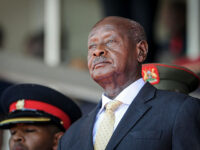
Uganda’s surprise decision to send troops into Gaza as part of a Trump-brokered ceasefire is more than a headline—it’s a live demonstration of how quickly a nation can pivot from regional peacekeeping to high-intensity urban combat. Kampala’s military planners are already dusting off lessons from their long-running campaign against the Lord’s Resistance Army and the African Union mission in Somalia, where small-unit tactics, convoy security, and civilian deconfliction were honed under real fire. For American gun owners watching the footage, the takeaway is immediate: the same fundamentals that keep a Ugandan rifle squad alive in Gaza—reliable optics, redundant communications, and the ability to transition from peacekeeper to warfighter in a single patrol—are the same skills that Second Amendment advocates insist must remain unencumbered by magazine bans or “assault weapon” restrictions back home.
The optics of an African democracy volunteering for a U.S.-led stabilization force also undercut the narrative that only large NATO militaries can project power responsibly. Uganda’s choice of kit—mostly U.S.-sourced M4s, optics, and plate carriers—highlights how export-controlled small arms become force multipliers when Washington trusts an ally’s end-use monitoring. That trust is built on the same constitutional principle that lets American citizens own the same platforms: an armed populace, whether uniformed or civilian, is presumed responsible until proven otherwise. If Congress were to treat semiautomatic rifles as presumptively dangerous rather than presumptively lawful, it would send the opposite signal to partners who look to U.S. civilian gun culture as proof that rights and order can coexist.
Finally, the Gaza deployment is a reminder that ceasefires are fragile and that the individual rifleman’s judgment often decides whether peace holds. Whether the Ugandan soldier on point is clearing a corridor or the American concealed-carrier de-escalating a parking-lot dispute, the common denominator is competence born of legal access to modern firearms and realistic training. The 2A community’s insistence on shall-issue carry, standard-capacity magazines, and the right to train isn’t theoretical; it’s the same logic that lets Uganda’s expeditionary force step into one of the world’s most scrutinized battlespaces with Washington’s blessing.


