

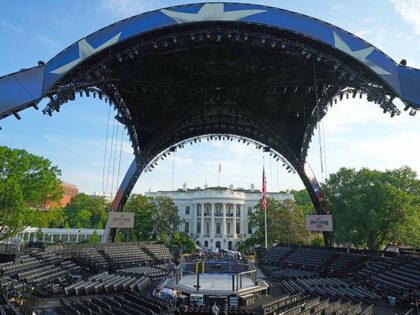
The UFC’s decision to push back its marquee bout at the White House by a full hour because of thunderstorms is more than a scheduling footnote—it’s a vivid reminder that even the most tightly choreographed spectacles remain at the mercy of forces no promoter can script. In an era when every public event is scrutinized for security gaps, the extra sixty minutes gave the Secret Service and on-site law-enforcement teams an unplanned window to re-sweep the grounds, recalibrate drone-detection systems, and quietly reposition the plain-clothes agents whose job it is to keep the Commander-in-Chief and visiting dignitaries safe. For Second Amendment advocates, that buffer underscored a larger truth: the right to keep and bear arms is exercised most responsibly when it is paired with disciplined preparation, not when it is reflexively curtailed by weather, optics, or bureaucratic risk aversion.
Beyond the logistics, the episode quietly highlighted how the culture of armed self-reliance extends to the very perimeter of the executive mansion. While the headline focused on lightning and octagon delays, the real story was the unseen cadre of lawfully armed citizens—off-duty officers, licensed contractors, and permitted guests—whose presence helped maintain order without a single shot being fired or a single right being suspended. In a political climate where some lawmakers still push to turn “gun-free zone” signs into de-facto law, the uneventful postponement proved that responsible gun owners are not the liability progressive narratives claim; they are the quiet infrastructure that lets high-profile events proceed at all. The thunderstorms will pass, the fight will resume, and the 2A community will keep doing what it has always done: staying ready, staying legal, and refusing to let temporary clouds—meteorological or political—dictate the permanent right to defend life and liberty.


