

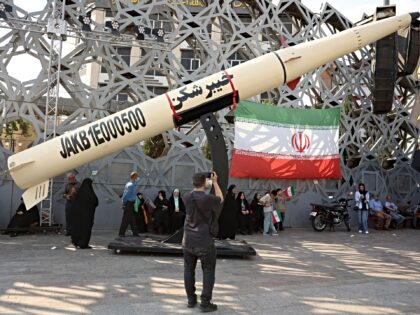
The Trump administration’s reported plan to tap frozen Iranian assets for Gulf reconstruction isn’t just another sanctions footnote—it’s a live demonstration of how economic warfare can be turned into a precision tool that keeps American boots off the ground while still punishing the ayatollahs. By converting Tehran’s own money into rebuilding funds for Saudi and Emirati infrastructure hit by Iranian missiles and drones, Washington signals that future aggression will carry an automatic, self-financing penalty. For the firearms community this matters because every regime that learns its ballistic toys come with a built-in bill is less likely to escalate to the point where U.S. forces—and the civilian arms that back them up—have to intervene.
At the same time, Iran’s insistence that those same assets be unfrozen before any deal exposes the regime’s real weakness: it needs its own cash more than it needs another round of proxy fireworks. That dynamic strengthens the case for sustained maximum-pressure sanctions rather than the cyclical appeasement that historically left American gun owners staring down Iranian-supplied weapons on distant battlefields. If the administration follows through, it will reinforce a precedent that future administrations—regardless of party—can treat frozen assets as both leverage and reparations, reducing the odds that another Middle-East brushfire turns into a prolonged U.S. deployment.
For Second Amendment advocates the takeaway is straightforward: policies that keep conflicts regional and self-funded protect the domestic arsenal from the attrition of endless nation-building. A sanctions regime that makes Iran pay for its own mess is infinitely preferable to one that eventually requires American riflemen to clean it up.


