

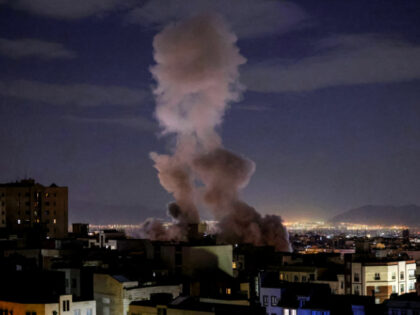
The latest round of U.S. strikes on Iranian military sites is a textbook reminder that deterrence only works when the other side believes you’ll actually pull the trigger. After Tehran’s second drone attack on a commercial tanker in the Strait of Hormuz, President Trump’s warning that Washington might “complete the job” isn’t just rhetoric—it’s a signal that the U.S. is willing to escalate beyond pinprick responses. For the firearms community, this matters because every time the Strait becomes a shooting gallery, oil prices spike, supply chains tighten, and the same politicians who lecture us about “assault weapons” suddenly remember why a well-armed citizenry is the ultimate insurance policy against chaos at home.
What’s striking is how quickly the conflict has exposed the limits of paper agreements. Last week’s ceasefire lasted barely long enough for the ink to dry, proving once again that regimes like Iran treat diplomacy as a pause button, not a permanent constraint. That reality should sharpen the 2A argument: rights that depend on the goodwill of foreign actors or domestic bureaucrats are not rights at all. When global flashpoints can shut down 20 percent of the world’s oil trade overnight, the ability of law-abiding Americans to keep and bear arms becomes less about sport and more about preserving order when institutions wobble.
The deeper implication is strategic. A president willing to hit Iranian targets directly is also less likely to pursue the kind of gun-control end-runs that rely on international norms or UN-style pressure. The 2A community should watch these developments closely—not because every Middle East flare-up leads to new domestic restrictions, but because the opposite pattern is emerging: strength abroad tends to correlate with fewer lectures about “common-sense” measures at home. In short, the same resolve that keeps Hormuz open is the same mindset that keeps the Second Amendment intact.


