

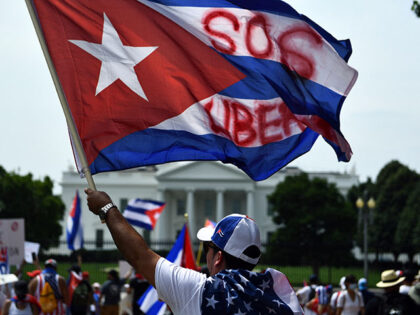
Secretary of State Marco Rubio’s announcement of fresh U.S. sanctions on 11 senior Cuban communist officials and three regime organizations marks a welcome return to serious pressure against one of the Western Hemisphere’s most durable dictatorships. These targeted measures focus on the individuals and agencies directly responsible for the systematic brutality, surveillance, and lethal force used to crush peaceful protests and silence dissent. For the 2A community, the story is a stark reminder of what happens when a population is deliberately stripped of its ability to resist tyranny: the Cuban regime has maintained iron control for more than six decades precisely because it monopolizes force while leaving ordinary citizens defenseless.
The Cuban people have paid the price for that disarmament in blood and fear. While Americans continue to debate the outer edges of shall-issue permitting, red-flag laws, and “assault weapon” bans, Cubans live under a government that long ago banned private firearms ownership for the same reason every authoritarian regime does: an armed populace is harder to starve, harder to imprison, and far harder to keep quiet. Rubio’s move isn’t just diplomatic theater; it signals that the United States will no longer treat the Cuban security apparatus as legitimate partners in regional stability. That matters to gun owners because history shows that once a regime begins openly sanctioning its own enforcers for human-rights crimes, the next logical conversation in Washington often turns to how average citizens can be empowered rather than disarmed when facing similar repression.
The real test will be whether these sanctions are followed by concrete policy shifts that actually help Cubans regain agency, or whether they remain symbolic. For the American 2A community the lesson is crystal clear: the right to keep and bear arms is the ultimate insurance policy against the kind of institutionalized terror now being formally condemned in Havana. When governments fear their own people more than they fear foreign sanctions, it is almost always because those people retain the physical means to say “no.” Today’s action against Cuba’s repressors should reinforce why that capability must never be surrendered here at home.


